Introduction to Water Features for Indian Terrace Gardens
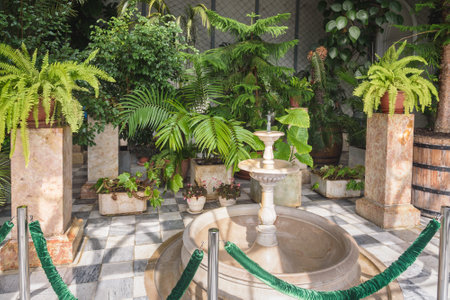
Water elements have always held a special place in Indian homes, symbolising prosperity, purity, and serenity. From the ancient stepwells of Gujarat to the tranquil temple tanks of Tamil Nadu, water has been at the heart of Indian architecture and culture for centuries. Incorporating features like fountains, water tanks, and other decorative water installations into modern terrace gardens not only pays homage to these traditions but also brings numerous practical benefits. In India’s often harsh climate, water features help cool outdoor spaces, reduce dust, and create a soothing environment ideal for relaxation and meditation. They also support local biodiversity by attracting birds and beneficial insects. For urban dwellers with limited ground space, terrace gardens with thoughtfully integrated water elements offer a unique opportunity to reconnect with nature while upholding the rich heritage of Indian design aesthetics. Whether your goal is to enhance Vastu compliance or simply enjoy the calming sound of flowing water after a busy day, these features are perfectly suited for contemporary Indian terrace gardens.
2. Types of Water Features Suitable for Indian Climates
When planning water features for Indian terrace gardens, it’s important to choose options that can withstand the country’s diverse and often extreme weather. From the hot summers to monsoon rains and occasional dust storms, durability and low maintenance are key. Below is an overview of popular water features that blend beautifully with Indian aesthetics and are practical for local climates:
| Water Feature | Description | Suitability for Indian Climate |
|---|---|---|
| Small Fountains | Compact fountains made of stone, ceramic, or metal; often feature simple spouts or cascading designs. | Ideal for terraces as they require minimal water and energy; can be easily cleaned after dust storms. |
| Traditional Water Tanks (Kunds & Matkas) | Kunds are sunken stone or concrete tanks, while matkas are large clay pots used to store cool water. | Highly traditional and effective for rainwater harvesting; materials like clay and stone stay cool even in peak summers. |
| Lotus Ponds | Shallow ponds designed for growing lotus or water lilies; can include fish like guppies to prevent mosquito breeding. | Well-suited for Indian heat as lotuses thrive in sunlight; requires regular cleaning during monsoon to avoid algae buildup. |
| Modern Water Walls | Sleek vertical structures where water flows down a textured wall into a trough below. | Good for limited spaces; can be designed using local stones or tiles, and their closed-loop systems reduce water loss due to evaporation. |
Choosing the Right Water Feature: For most urban Indian terraces, small fountains and modern water walls offer a contemporary look with easy upkeep. Traditional kunds or matkas add a rustic touch and serve a dual purpose if rainwater harvesting is your goal. Lotus ponds are best suited if you have enough space and want a touch of tranquility inspired by classic Indian gardens. No matter the choice, always consider water conservation techniques such as recycling greywater or using solar pumps to make your terrace both beautiful and sustainable.
3. Budget-friendly and DIY Water Feature Ideas
Creating a beautiful water feature for your Indian terrace garden does not have to break the bank. With a bit of creativity and some local materials, you can design unique fountains or water tanks that add charm and tranquility to your outdoor space. Here are practical tips and step-by-step suggestions tailored for Indian homes:
Use Locally Available Materials
Choose materials that are easy to source in your area such as terracotta pots, large clay matkas, or even old brass vessels. These not only blend well with Indian aesthetics but also help keep costs low.
Step-by-Step DIY Terracotta Pot Fountain
- Select two or three terracotta pots of varying sizes.
- Seal the drainage holes using waterproof glue or silicone.
- Stack the pots creatively, ensuring stability. The largest pot can serve as the base water reservoir.
- Install a small submersible pump (readily available at local hardware stores) inside the base pot.
- Run the pump’s tube through the stacked pots so that water cascades gently from top to bottom.
- Add pebbles, marigold flowers, or floating diyas for an authentic Indian touch.
Upcycle Household Items
Old buckets, copper lotas, or unused washing tubs can be transformed into stylish mini water tanks or ponds. Simply clean and line them with waterproof paint, then decorate with aquatic plants like lotus or water lilies which grow well in Indian climates.
Simple Clay Matka Water Tank
- Take a large clay matka and place it on a sturdy stand in a shaded corner of your terrace garden.
- Paint traditional patterns using waterproof acrylic paints for visual appeal.
- Add a handful of guppy fish to control mosquitoes naturally—an eco-friendly solution widely used in India.
Cost-saving Tips
- Buy second-hand pumps from local markets (such as Chandni Chowk in Delhi or Crawford Market in Mumbai).
- Re-use decorative stones, tiles, or leftover construction materials from home renovations.
By leveraging affordable options and upcycling household items, you can bring the soothing sound of water to your Indian terrace garden without overspending. Get inspired by local styles and let your imagination guide you!
4. Maintenance Tips in Indian Conditions
Maintaining fountains, water tanks, and water features in Indian terrace gardens requires a practical approach due to the country’s unique climate and urban challenges. Here are key tips to ensure your water elements remain clean, efficient, and sustainable:
Keeping Water Features Clean and Mosquito-Free
Stagnant water can quickly become a breeding ground for mosquitoes, especially during the monsoon season. Regular cleaning is essential:
| Task | Frequency | Suggested Local Products/Methods |
|---|---|---|
| Remove debris (leaves, dust) | Weekly | Bamboo skimmers, coconut fibre brushes |
| Change water | Every 1-2 weeks | Use stored rainwater if available |
| Add anti-mosquito treatment | Every 10 days (in monsoon) | Lemon grass oil, neem oil drops |
| Scrub algae from surfaces | Monthly | Nariyal jhadu (coconut broom), vinegar solution |
If you have fish in your water feature, consider adding native varieties like guppies which eat mosquito larvae.
Managing Water Scarcity
With frequent water shortages in many Indian cities, efficient usage is crucial:
- Rainwater Harvesting: Install a simple rainwater harvesting system that directs terrace runoff into your water tank or feature. This not only conserves municipal water but also helps recharge groundwater.
- Recirculation Pumps: Use energy-efficient pumps to keep the water moving and reduce wastage. Solar-powered pumps are increasingly affordable and widely available in India.
- Cover When Not in Use: Use a locally made tarpaulin or plastic sheet to cover features during high evaporation months (March–June), reducing water loss.
Using Locally Available Products for Upkeep
Sourcing maintenance materials locally supports the economy and keeps costs low. Some recommendations include:
- Khadki stone or Kota tiles for lining tanks—these are durable and easy to clean.
- Dried neem leaves as a natural anti-bacterial agent for water tanks.
- Mitti ka ghada (clay pot) filters for small fountains—natural filtration using sand, charcoal, and gravel layers.
- PVC pipes and spare parts from local hardware stores for DIY repairs.
By following these simple yet effective tips tailored for Indian conditions, you can ensure your terrace garden’s water features remain attractive, functional, and environmentally responsible throughout the year.
5. Integrating Water Features with Vastu Shastra
Vastu Shastra, the ancient Indian science of architecture, plays a significant role in shaping the design and placement of water features in terrace gardens. Incorporating fountains, water tanks, and other water elements according to Vastu principles can enhance positivity, prosperity, and harmony within Indian homes. Here are some practical guidelines for integrating water features into your terrace garden while respecting Vastu traditions:
Optimal Placement for Water Features
Vastu recommends placing water elements such as fountains or small ponds in the north or northeast direction of your terrace. This positioning is believed to attract wealth, tranquility, and positive energy into the household. Avoid installing water tanks or features in the south or southwest corners, as these directions are considered less auspicious for water elements.
Design Considerations for Vastu Compliance
When selecting a fountain or water tank design, opt for shapes that reflect balance and calmness—round or oval shapes are preferred over irregular forms. Ensure the flow of water is smooth and gentle; avoid aggressive jets or noisy splashes. The sound of flowing water should be soothing, adding a peaceful ambiance to your terrace garden.
Material Selection and Maintenance Tips
Choose natural materials like stone, ceramic, or copper for constructing your water features, as these are considered Vastu-friendly and blend well with Indian aesthetics. Regular maintenance is essential—not only for hygiene but also to prevent stagnant water, which can disrupt positive energy according to Vastu beliefs.
Enhancing Positivity through Water Elements
Add aquatic plants like lotuses or lilies to your terrace pond or tank to further amplify harmony and beauty. If possible, position your seating area near the water feature so family members can benefit from its calming influence during gatherings or meditation sessions.
Practical Budget Tips
You don’t need elaborate installations to follow Vastu guidelines—simple DIY fountains made from terracotta pots or locally sourced stones can be just as effective as expensive setups. Focus on correct placement and thoughtful design rather than high cost to create a harmonious space that aligns with both tradition and your budget.
Popular Plants and Décor Combinations for Indian Water Features
When designing terrace gardens in India with fountains, water tanks, or other water features, the right combination of aquatic plants and traditional décor elements can transform the space into a peaceful and culturally resonant retreat. Selecting hardy Indian aquatic plants ensures your water feature remains low-maintenance while adding natural beauty. Popular choices include Lotus (Nelumbo nucifera), a sacred symbol in Indian culture known for its resilience and stunning blooms, and Water Lilies (Nymphaea spp.), which thrive in most climates across India and provide vibrant color. Water Hyacinth is another easy-to-grow option, though it should be controlled to prevent overgrowth. For smaller water tanks or bowls, consider Dwarf Papyrus or Mosaic Plant, both of which are well-suited to terrace conditions.
Traditional Décor Elements to Enhance Ambiance
To infuse your terrace garden with authentic Indian charm, complement your water features with traditional décor. Placing diyas (clay oil lamps) around the perimeter of fountains or tanks not only adds a warm glow during evenings but also aligns with festive Indian traditions. Create intricate rangoli patterns using colored powders or flower petals around your water feature base to celebrate special occasions and invite positive energy. For a rustic touch, use terracotta pots and figurines as planters or accents—these are affordable, widely available, and naturally blend with Indian aesthetics.
Tips for Combining Plants and Décor
Balance lush greenery with open water surfaces to highlight floating diyas at night. Group terracotta elements near the water’s edge for visual interest and durability against the climate. Use rangoli designs on waterproof tiles or platforms adjacent to your fountain or tank so they last longer during monsoons. By thoughtfully pairing local aquatic plants with time-honored decorative pieces, you create a terrace garden that feels uniquely Indian—beautiful, budget-friendly, and easy to maintain all year round.