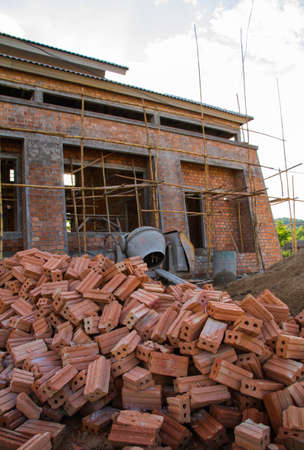
1. Introduction to Swadeshi and Imported Building Materials
In the ever-evolving landscape of Indian construction, the choice between swadeshi (locally-made) and imported building materials has become a pivotal decision for consumers, architects, and builders alike. Swadeshi building materials, which are produced domestically using indigenous resources and traditional methods, have deep roots in India’s architectural history and cultural ethos. On the other hand, imported materials are sourced from international markets, often promising advanced technology, unique aesthetics, or perceived superior quality. As urbanisation accelerates and modern construction practices gain momentum, both options have carved out significant roles within the industry. This study delves into how these two categories of materials are viewed by Indian consumers today, considering factors such as cost-effectiveness, environmental impact, availability, performance under local climatic conditions, and alignment with the principles of Atmanirbhar Bharat (self-reliant India). By understanding the relevance of swadeshi versus imported materials in contemporary construction, stakeholders can make informed choices that balance tradition, innovation, and practicality.
2. Historical and Cultural Significance of Swadeshi Materials
The concept of Swadeshi holds a deep-rooted place in Indian society, dating back to the freedom movement when locally made goods became symbols of resistance against colonial rule. This legacy has continued to influence consumer preferences, especially in the context of building materials. The use of Swadeshi products is not just about supporting local businesses; it embodies cultural pride, traditional values, and the aspiration for self-reliance under the Atmanirbhar Bharat (self-reliant India) vision.
Legacy of Swadeshi in Building Materials
Historically, Indian architecture has thrived on indigenous materials such as terracotta tiles, lime plaster, bamboo, and laterite stones. These materials were not only sustainable but also suited to local climates and aesthetics. The adoption of Swadeshi materials reflects a connection to India’s rich architectural heritage, ensuring that modern construction remains rooted in tradition while embracing innovation.
Cultural Identity and Community Empowerment
Choosing Swadeshi building materials goes beyond economics; it is a reaffirmation of cultural identity. Many Indian consumers associate local products with authenticity, trust, and a sense of belonging. Furthermore, promoting these materials supports artisans, small-scale manufacturers, and rural industries—creating jobs and empowering communities at the grassroots level.
Swadeshi Materials in the Vision of Atmanirbhar Bharat
The push for Atmanirbhar Bharat has brought renewed focus on indigenous products. The government encourages using local materials for infrastructure projects and housing schemes like Pradhan Mantri Awas Yojana (PMAY). This not only reduces import dependence but also fosters innovation within the Indian building material industry.
| Traditional Swadeshi Material | Cultural Significance | Modern Application |
|---|---|---|
| Bamboo | Sustainable, eco-friendly, used in vernacular architecture | Structural frameworks, partition walls |
| Lime Plaster | Thermal comfort, historical monuments | Eco-restoration, green buildings |
| Terracotta Tiles | Aesthetic value, traditional roofing | Flooring, cladding solutions |
| Kota Stone | Durability, regional craftsmanship | Flooring in commercial & residential spaces |
In summary, Swadeshi building materials are more than construction choices; they represent an ongoing journey toward self-sufficiency while honoring India’s cultural ethos. By embracing these products, Indian consumers are actively shaping a future that balances tradition with progress—an essential step in realizing the dream of Atmanirbhar Bharat.

3. Quality, Cost and Availability: A Practical Comparison
When it comes to building or renovating a home in India, practical considerations like quality, cost, and availability play a major role in choosing between swadeshi (locally made) and imported building materials. Indian homeowners and contractors are increasingly weighing these factors before making a decision.
Quality: Does Local Mean Lower Standards?
There is a common perception that imported building materials, such as Italian marble or German hardware, offer superior quality compared to their swadeshi counterparts. However, many Indian manufacturers have significantly improved their production standards over the past decade. For example, tiles from Morbi (Gujarat) now compete with Spanish brands in durability and finish. On the other hand, certain high-end or niche products—like some advanced insulation materials or luxury fittings—may still be better sourced from abroad due to limited local options.
Cost: Budget-Friendly Choices for Indian Households
Affordability remains a top priority for most Indian families. Swadeshi building materials usually come at a more reasonable price point since they avoid hefty import duties, shipping costs, and currency fluctuations. For instance, using Indian cement or locally manufactured UPVC windows can help keep construction budgets under control without sacrificing core functionality. However, in some cases, mass-produced imported items from neighbouring countries may be competitively priced but often raise concerns about long-term durability.
Availability: What’s Easily Accessible?
The pan-India supply chain for swadeshi products is robust. Locally produced materials are readily available even in tier-2 and tier-3 cities, thanks to established distribution networks and regional dealers. In contrast, imported goods can face delays due to customs clearance, logistical hurdles, and fluctuating stock levels—factors that can disrupt project timelines. During recent global disruptions like the COVID-19 pandemic, reliance on local suppliers proved especially beneficial for uninterrupted construction activities across India.
What Indian Consumers Should Consider
For those on a tight budget or working with strict timelines, swadeshi building materials offer practical advantages in terms of cost savings and easy accessibility. However, for projects where unique aesthetics or specialized performance are required—and the budget allows—selective use of imported materials may add value. Ultimately, a balanced approach that prioritizes both quality and affordability will best serve the needs of Indian homeowners and builders.
4. Environmental Impact and Sustainability
When it comes to choosing building materials in India, environmental impact and sustainability are becoming increasingly important for both homeowners and builders. Let us examine how swadeshi (locally made) and imported materials compare from an eco-friendliness perspective.
Eco-Friendliness: Local vs Imported Materials
Swadeshi building materials, such as locally produced bricks, stones, tiles, bamboo, and lime plaster, generally have a smaller carbon footprint compared to imported alternatives. This is mainly because local materials require less transportation, reducing emissions and energy consumption. Additionally, many Indian building materials are derived from abundant natural resources or recycled content, supporting a circular economy.
Imported materials like Italian marble, engineered wood from Europe, or high-end ceramics often involve long-distance shipping and more energy-intensive manufacturing processes. These factors increase their environmental impact. Some imported products may use chemicals or finishes not ideally suited to Indian climatic conditions, further affecting sustainability.
Comparative Table: Swadeshi vs Imported Materials
| Criteria | Swadeshi Materials | Imported Materials |
|---|---|---|
| Carbon Footprint | Low (due to reduced transport) | High (long-distance shipping) |
| Sourcing | Locally available, renewable sources | Often non-renewable or scarce globally |
| Adaptability to Climate | Well-suited for Indian conditions | May need extra treatment/coating |
| Support for Local Economy | Boosts local employment & artisanship | Mainly supports foreign businesses |
| Chemical Usage | Generally minimal/traditional methods | Possible use of synthetic additives/sealants |
| Lifespan & Maintenance | High with traditional care techniques | Varies; some require special maintenance |
Sustainability Certification and Consumer Preferences in India
A growing number of Indian consumers are asking for green certifications like GRIHA, IGBC, or LEED when selecting building materials. Swadeshi products—such as fly ash bricks or terracotta tiles—are now being manufactured to meet these standards. However, some high-end imported brands also offer certified sustainable options but at a higher price point.
Key Takeaway:
If you value eco-friendliness and want to reduce your projects carbon footprint while supporting the local economy, swadeshi materials are often the superior choice for most Indian homes and small businesses. However, for certain niche requirements or aesthetics where only imported materials fit the bill, ensure you check for authentic sustainability certifications before making a purchase decision.
5. Consumer Preferences and Behavioural Insights
When it comes to choosing between Swadeshi (indigenous) and imported building materials, Indian consumers—both urban and rural—display a unique blend of preferences shaped by practical needs, cultural values, and economic considerations. Urban consumers, particularly in metro cities like Mumbai, Delhi, and Bengaluru, often lean towards imported materials for their perceived quality, durability, and aesthetic appeal. Many believe that international brands offer advanced technology and better warranties. However, this preference is tempered by a growing sense of national pride and support for the Make in India movement, especially among younger homeowners who balance aspirations with patriotism.
In contrast, rural consumers tend to favour Swadeshi materials due to their affordability, local availability, and familiarity. The decision-making process here is influenced by word-of-mouth recommendations from family or local contractors (mistris), as well as trust built over generations using locally sourced products like fly ash bricks or Kota stone. Rural buyers also consider maintenance ease and after-sales service crucial—an area where local manufacturers have an edge due to proximity.
Across both segments, biases play a role: some urban buyers still perceive Indian products as inferior despite improvements in quality, while some rural households view imported goods as unnecessary luxuries. Real-life choices are also dictated by budget constraints; even aspirational consumers may opt for domestic brands when project costs escalate. Additionally, government initiatives promoting Swadeshi materials through incentives or green certifications have started to influence purchasing decisions.
Ultimately, while the allure of imported materials persists in premium housing projects and among affluent buyers, the majority of Indian consumers prioritise value for money, reliability, and cultural alignment. The interplay of these factors highlights the complex psychology underlying material selection in Indias rapidly evolving construction landscape.
6. Challenges Faced and Future Roadmap
While the movement towards swadeshi (indigenously produced) building materials is gaining momentum in India, several challenges continue to impede its widespread adoption. These pain points stem from both policy-level constraints and ground realities faced by manufacturers, builders, and consumers alike.
Pain Points for Swadeshi Building Materials
Firstly, awareness among consumers about the quality, durability, and long-term benefits of Indian-made materials remains low. Many still perceive imported products as superior due to aggressive marketing and established global brands. Additionally, local manufacturers often struggle with inconsistent supply chains, outdated technology, and limited access to capital for scaling up production or improving product standards.
Policy Constraints Holding Back Growth
On the policy front, despite various Make in India initiatives, implementation gaps remain. Swadeshi manufacturers frequently cite cumbersome certification processes, lack of incentives, and inadequate government procurement policies favouring indigenous products. Import duties on foreign materials sometimes fail to provide a competitive edge to local industries due to loopholes or inconsistent enforcement.
Practical Recommendations for the Future
To truly promote swadeshi materials within India’s construction sector, a multipronged approach is necessary. First, there must be an intensive public awareness campaign—leveraging digital platforms in multiple Indian languages—to highlight success stories and performance data of Indian-made products. Second, government policies should be streamlined: offering tax breaks, easier credit facilities for MSMEs involved in building material manufacturing, and fast-tracking certification processes for innovative Indian products. Thirdly, collaboration between research institutions and industry can help bring cutting-edge technology to local manufacturers, boosting both quality and affordability.
Encouraging architects and real estate developers to specify swadeshi materials through incentives or recognition programs will also help shift market perceptions. Ultimately, the roadmap for promoting Indian-made building materials should focus on creating a robust ecosystem that supports innovation, ensures quality assurance, and builds consumer confidence—aligning with the Atmanirbhar Bharat (self-reliant India) vision.
7. Case Studies and Local Success Stories
Showcasing Swadeshi Building Materials in Practice
India’s construction sector has witnessed an inspiring shift towards swadeshi building materials, with numerous projects across the country serving as examples of sustainable, cost-effective, and culturally resonant architecture. These case studies highlight not just the functionality but also the economic and social advantages that swadeshi materials bring to Indian homes and communities.
Eco-Friendly Homes in Kerala
One prominent example is a housing development in Kerala where locally sourced laterite stone and coconut timber were used extensively. This approach not only reduced construction costs by up to 30% compared to imported alternatives but also provided excellent thermal insulation, keeping interiors cool during the harsh summer months. The project became a model for eco-conscious builders in South India, demonstrating that swadeshi resources can meet modern design needs while respecting local climate conditions.
Bamboo Innovation in Assam
In Assam, community-driven projects have leveraged the region’s abundant bamboo supply. NGOs and local contractors collaborated to create flood-resistant homes using treated bamboo as the primary structural element. These houses stand as proof that traditional materials, when innovatively applied, can outperform conventional imported products both in durability and environmental compatibility.
Urban Projects in Gujarat
Ahmedabad’s Sabarmati Riverfront project integrated indigenous sandstone and recycled bricks sourced from nearby villages. Not only did this choice lower transportation emissions and support rural economies, but it also preserved the city’s heritage aesthetic. The project has been celebrated for blending modern urban infrastructure with local identity—a win-win for both residents and artisans.
Benefits Realised by Indian Communities
The positive impacts of these projects go beyond immediate cost savings. Builders report easier maintenance, better indoor air quality, and increased employment opportunities for local craftsmen. Community feedback consistently highlights a sense of pride and ownership when traditional materials are visible in their living spaces. These stories underline how embracing swadeshi building solutions aligns with Indian sensibilities while delivering practical benefits.
These success stories illustrate that swadeshi building materials are more than just an economic or patriotic choice—they represent a holistic approach to construction that benefits homeowners, communities, and the environment alike. As more Indians experience these advantages firsthand, the preference for locally sourced materials is set to grow stronger across the nation.