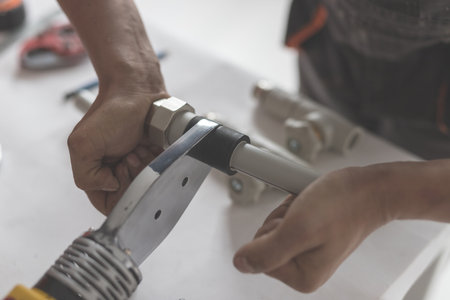
1. Introduction to Steel Bar Cutting, Bending & Fixing in India
Steel bar reinforcement, commonly referred to as rebar, forms the backbone of modern construction across India. The practice of cutting, bending, and fixing steel bars is not only a technical necessity but also carries deep-rooted cultural and economic significance within the Indian context. As India continues to urbanize rapidly, infrastructure projects ranging from residential complexes to iconic skyscrapers and metro systems depend on skilled handling of steel reinforcement to ensure structural integrity and safety. In Indian construction culture, the craftsmanship involved in shaping and assembling rebar is respected as both an art and a science—often passed down through generations of skilled laborers known locally as mazdoors or karigars. Their expertise plays a pivotal role in bringing architectural visions to life while adhering to local codes and practices such as IS 456 and IS 1786 standards. Furthermore, efficient steel bar operations contribute directly to project timelines, cost-effectiveness, and durability—key concerns for builders and developers in Indias highly competitive real estate sector. Understanding the nuances of steel bar cutting, bending, and fixing is therefore essential not just for engineers and contractors but also for anyone invested in the nation’s dynamic building industry.
2. Material Standards and Selection
When it comes to steel bar cutting, bending, and fixing in India, ensuring the right material standards is crucial for both safety and durability of construction projects. Adherence to IS (Indian Standards) codes is mandatory across most projects, whether for residential buildings or commercial complexes. Below is a quick guide on the relevant IS codes, quality checks, and commonly used steel grades in India:
Key IS Codes for Steel Bars
| IS Code | Description |
|---|---|
| IS 1786:2008 | High Strength Deformed Steel Bars and Wires for Concrete Reinforcement |
| IS 432 (Part 1):1982 | Mild Steel and Medium Tensile Steel Bars and Hard-Drawn Steel Wire for Concrete Reinforcement |
| IS 2062:2011 | Hot Rolled Medium and High Tensile Structural Steel |
Quality Checks & Acceptance Criteria
- Visual Inspection: Bars should be free from rust, oil, paint, mud, and other foreign substances.
- Bend Test: Ensure bars can withstand specified bending without cracking as per IS guidelines.
- Rebend Test: Mandatory for high strength deformed bars to verify ductility after bending and rebending.
- Dimensional Tolerance: Check diameter, length, and weight as per IS code allowances.
- Tensile Test: Verify yield strength and ultimate tensile strength as per the grade requirements.
Commonly Used Steel Grades in India
| Grade | Main Features | Typical Applications |
|---|---|---|
| Fe415 | Ductile; Suitable for earthquake-prone zones; Economical choice for small to medium constructions. | Residential & low-rise buildings |
| Fe500/Fe500D/Fe500S | Higher yield strength; Superior weldability; Widely available across India. | Civil structures, bridges, highways, high-rise buildings |
| Fe550/Fe600 | Very high strength; Used where heavy loads are anticipated. | Industrial buildings & infrastructure projects requiring heavy duty reinforcement |
Local Procurement Insights – Indian Context
Sourcing steel bars from reputed local manufacturers like Tata Steel, JSW Steel, or SAIL ensures consistency with IS standards. In most Indian cities and towns, dealers offer branded as well as generic options. Always request a test certificate for each batch supplied. For rural or remote sites, ensure logistical arrangements are made in advance due to possible supply chain delays during monsoon or festival seasons. Price negotiations are common practice, but never compromise on certification or quality to save costs—substandard steel can severely impact structural integrity.
3. Cutting and Bending Techniques: Indian Site Practices
Traditional Methods in Indian Construction
On Indian construction sites, traditional methods of steel bar cutting and bending are still widely practiced, especially in small to medium-scale projects. Workers commonly use hand-operated hacksaws, manual bar benders, and basic measuring tools like tape measures and chalk for marking. These techniques are time-tested and cost-effective but require skilled labourers with experience to achieve accuracy and consistency. The process involves measuring the required length, marking the steel bar, and then manually cutting or bending as per the drawing specifications.
Modern Machinery and Tools
With the rapid growth of India’s infrastructure sector, mechanized equipment is increasingly used on larger projects. Popular machines include electric rebar cutters, automatic bending machines, and hydraulic shears. Brands like Hilti, Bosch, and local Indian manufacturers provide machinery tailored for heavy-duty site conditions. These machines offer enhanced precision, reduce manual effort, and increase productivity significantly. For example, CNC rebar benders allow pre-programming of multiple bends and angles as per IS 2502 code requirements, which ensures adherence to quality standards in large-scale developments.
Popular Equipment Used
- Manual Bar Benders & Cutters (Hand-operated)
- Electric Rebar Cutters
- CNC Bending Machines
- Hydraulic Shearing Machines
Safety Considerations on Indian Sites
Ensuring safety during steel bar cutting and bending is crucial on Indian job sites. Labourers must wear personal protective equipment (PPE) such as gloves, helmets, goggles, and safety shoes to prevent injuries from sharp edges or flying fragments. It is also essential to maintain regular machine servicing to avoid mechanical failures that could lead to accidents. On most sites, supervisors conduct daily toolbox talks in Hindi or regional languages to educate workers about safe handling practices according to IS codes and local bylaws.
Key Safety Tips:
- Always inspect tools before use for damage or wear.
- Follow manufacturer guidelines for operating machinery.
- Maintain clear communication among team members using local language instructions.
By combining traditional skills with modern technology and strict safety protocols, Indian construction sites ensure efficient and secure steel bar cutting and bending practices that meet both local standards and international expectations.
4. Fixing/Reinforcement Placement: Local Methods and Labour Skills
In Indian construction, the fixing and placement of reinforcement bars are crucial processes that directly impact structural stability and durability. This stage requires not only technical know-how but also a deep understanding of local practices and labour skills. The most common workforce involved in this task are skilled bar benders, popularly known as mishtiris, whose expertise ensures that steel bars are placed precisely according to the design specifications.
Best Practices for Tying, Fixing, and Supporting Bars
Adherence to best practices is vital to maintain the integrity of reinforced concrete structures. Commonly adopted methods in India include:
- Tying with GI Wire: 16 or 18 gauge galvanized iron wire is used for tying intersections, ensuring firm connections without slippage.
- Staggered Joints: Lap joints in adjacent bars are staggered as per IS code recommendations to avoid weak zones.
- Spacer Blocks: Locally made cement mortar cubes or plastic spacers ensure correct cover to reinforcement, preventing corrosion.
- Chair Bars: Custom-bent steel chairs support top bars in slabs and beams, ensuring they remain in position during concreting.
Role of Skilled Bar Benders (Mishtiris)
The mishtiri plays a pivotal role in Indian construction. Their experience allows them to interpret drawings, fabricate complex bends, and adapt fixing techniques suited to site conditions. In many regions, traditional knowledge passed down through generations supplements formal training, resulting in high-quality workmanship even under challenging circumstances.
Comparison of Local Methods for Reinforcement Fixing
| Method | Description | Common Regions | Advantages |
|---|---|---|---|
| Bamboo Scaffold Support | Bamboo poles used as temporary supports for bars before concreting | Bengal, Assam, North-East | Cost-effective, easily available material |
| Cement Mortar Spacers | Handmade blocks used for bar cover maintenance | PAN India (rural & urban) | Prevents corrosion by ensuring adequate cover |
| Tying with GI Wire | Manual tying at every intersection using pliers | PAN India | Ensures rigid assembly of reinforcement cage |
| Masons String Alignment | String lines used for alignment during bar fixing | Maharashtra, Gujarat, Tamil Nadu | Improves straightness and accuracy of placement |
The Importance of Continuous Skill Development
The demand for quality construction is driving greater emphasis on skill development among Indian labourers. Training programs from government bodies like NSDC and private initiatives focus on improving both technical proficiency and safety awareness among mishtiris. This ensures that local methods continue evolving while meeting modern standards for strength and durability.
Ultimately, the synergy between traditional skills and best practices in steel bar fixing is fundamental to Indias robust infrastructure growth. By combining local ingenuity with structured guidelines, Indian projects achieve both cost-effectiveness and structural reliability.
5. Quality Assurance and Compliance to Indian Standards
Ensuring quality assurance in steel bar cutting, bending, and fixing is fundamental to desi construction, as the safety and longevity of a structure depend on strict adherence to Indian Standards (IS codes). In India, IS 1786 and IS 2502 provide comprehensive guidelines for various aspects of reinforcement work. To maintain high-quality standards, regular checks, systematic inspections, and proper documentation are necessary at every stage of the process.
Checks as per IS Codes
Site engineers and supervisors must conduct regular physical and dimensional checks on steel bars before cutting or bending. This includes verifying bar diameters, surface condition, identification marks, and batch numbers to confirm material authenticity. For cutting, accuracy is checked using calibrated measuring tapes or rods to ensure that bars match the design length specified in structural drawings. While bending, the angle and radius must be examined as per IS 2502 to avoid over-bending or under-bending, which can compromise joint strength.
Inspections During Fixing
During fixing, bars should be placed at correct positions as per bar bending schedules (BBS) and secured using approved binding wires. Site teams must check for proper lap lengths, overlaps, spacing between bars (as per IS 456), and maintain specified cover using spacers or chairs. Inspections also verify that all bends and hooks conform to standard dimensions and that no unauthorized welds or joints are present unless permitted by codes.
Documentation & Compliance Records
Every stage of steel reinforcement work must be supported with thorough documentation for compliance with IS standards. This includes material test certificates from suppliers, daily inspection records, checklist formats for each activity (cutting, bending, fixing), and photographic evidence wherever required by the project management team. These documents not only serve as proof of compliance but are also vital for audits by third-party consultants or government authorities.
In summary, strict adherence to Indian Standards through methodical checks, timely inspections, and well-maintained documentation ensures structural integrity in Indian construction projects. Following these desi practices not only guarantees safety but also enhances the value of any real estate investment by establishing trust among clients and stakeholders.
6. Common Challenges and Practical Solutions
Steel bar cutting, bending, and fixing on Indian construction sites come with their unique set of challenges. Understanding these issues and applying practical solutions rooted in local experience ensures smoother project delivery and enhanced structural quality.
On-Site Congestion: Managing Tight Workspaces
Indian job sites are often bustling with multiple trades working simultaneously. This can lead to congestion, making steel bar handling difficult. To tackle this, it’s recommended to schedule staggered deliveries of reinforcement bars, use colour-coded tagging for bundles, and implement clear demarcations for storage and work zones. Communication between site supervisors and workers is key to prevent accidents and material mix-ups.
Bar Misplacement: Ensuring Correct Placement
Misplacement of steel bars is a frequent concern due to unclear bar bending schedules or hurried installations. Adopting the practice of double-checking the bar marking against detailed drawings before fixing can significantly reduce errors. Training site workers in reading bar bending schedules (BBS) in both English and local languages like Hindi or Tamil enhances clarity. For large projects, using digital BBS tracking apps is gaining popularity in India’s metro cities.
Last-Mile Fixes: Addressing On-the-Spot Adjustments
Sometimes, unexpected changes arise during concreting or inspection—such as missing hooks or incorrect overlaps. Quick access to portable cutting and bending tools allows for prompt last-mile adjustments without major delays. It’s also advisable to keep a small stock of extra standard-length bars on hand for immediate fixes, following IS 2502 guidelines for minimum bends and laps.
Tips from Indian Jobsite Experience
- Labour Management: Assign experienced “mistris” (foremen) to oversee critical areas like beam-column junctions where congestion is highest.
- Quality Checks: Daily inspections by site engineers help catch misplacements early, reducing costly rework.
- Local Adaptations: In regions with extreme heat, shade netting over bar storage areas prevents premature rusting—a common issue in India.
- Cultural Coordination: Encourage open dialogue among multilingual crews by conducting toolbox talks in the predominant local language.
Conclusion
Navigating these challenges with proven Indian practices not only improves construction quality but also boosts team morale and project timelines. By blending technical know-how with an understanding of local realities, every site can achieve efficient and error-free steel bar installation.
7. Safety, Sustainability, and Cost Efficiency
Enhancing Site Safety in Indian Construction
Ensuring the safety of workers during steel bar cutting, bending, and fixing operations is a top priority for Indian construction sites. Common risks such as hand injuries, eye hazards, and machine-related accidents are addressed through mandatory PPE usage—helmets, gloves, goggles—and regular safety drills in line with Bureau of Indian Standards (BIS) guidelines. Training programmes tailored to local languages ensure clear communication, while visible signage and routine equipment checks help create a culture of safety at every project stage.
Supporting Sustainability Initiatives
The drive for sustainable construction has led to significant changes in steel rebar practices across India. Builders increasingly opt for TMT (Thermo-Mechanically Treated) bars from recycled sources, reducing environmental impact. Efficient cutting and bending processes minimize waste generation; leftover steel is systematically collected and sent for recycling—a practice now supported by government green building policies. Moreover, water-based curing compounds and non-toxic lubricants are being adopted to further lessen ecological footprints during steel fixing operations.
Achieving Budget Efficiency Through Localised Solutions
With rising material costs and tight project deadlines, Indian contractors are seeking smarter ways to maximize budget efficiency without compromising quality or safety. By leveraging locally manufactured machinery and tools, site managers reduce logistics expenses and downtime. Standardized cutting and bending schedules (bar bending schedules) eliminate errors and excesses—resulting in precise estimation and procurement. Collaboration with skilled local fabricators not only supports community employment but also ensures better on-site adaptability to design changes or challenges.
Current Trends: Integration of Technology
Adoption of digital tools such as bar coding for rebar tracking and mobile apps for inventory management is gaining momentum in urban projects. These technologies streamline workflow, reduce pilferage, and provide real-time updates—helping supervisors make informed decisions that balance cost control with timely delivery.
Conclusion: Building the Future Responsibly
The convergence of safety protocols, sustainability initiatives, and budget-conscious planning defines the future of steel bar cutting, bending, and fixing in India. By embracing innovative strategies rooted in local context and guided by national standards, the Indian construction industry continues to set benchmarks for responsible growth—delivering projects that are safer for workers, friendlier to the environment, and more cost-effective for stakeholders.