1. Understanding the Unique Challenges of Indian Kitchens
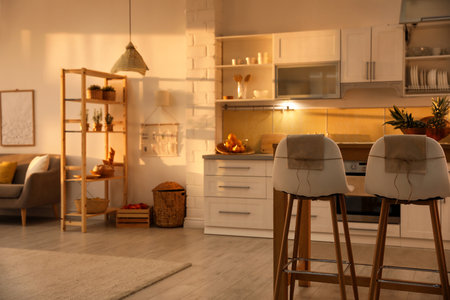
When it comes to smart kitchen storage, Indian households face a set of unique challenges that require practical and creative solutions. Unlike Western kitchens, Indian kitchens are known for their diverse collection of masalas (spices), dals (lentils), and grains, each demanding separate storage containers to maintain freshness and prevent cross-contamination of aromas. The sheer variety and quantity of ingredients can easily lead to cluttered shelves and overflowing cabinets if not managed efficiently.
Additionally, Indian cooking often involves large utensils such as pressure cookers, tawas, kadais, and heavy-bottomed pans, which take up significant space and do not always fit standard modular storage units. Many families also practice multi-generational cooking, where traditional cookware and heirloom vessels are passed down, further increasing the storage load. Frequent preparation of elaborate meals means kitchenware must be accessible yet neatly organised to keep the workspace functional.
The challenge extends to optimising small kitchen spaces found in many urban Indian apartments. Here, every inch counts and poor planning can turn daily meal prep into a stressful chore. Therefore, understanding these specific pain points is the first step in creating a kitchen that is both efficient and tailored to Indian culinary habits. In the following sections, we’ll explore smart storage ideas designed especially for Indian homes, ensuring you can make the most out of your available space without compromising on tradition or convenience.
Utilising Vertical Space with Open Shelves and Wall Racks
In most Indian homes, kitchens are often compact, making every inch of space valuable. One of the smartest ways to maximise your kitchen’s storage potential is by looking upwards and using vertical space. Instead of cluttering your countertops with jars and utensils, consider adding open shelves above your work areas. These overhead shelves can store everyday essentials like oil tins, masala boxes, or tea containers within easy reach while keeping your counters clear for meal prep.
Practical Overhead Storage Ideas
- Open Shelves: Use sturdy wooden or metal planks fixed above your stove or sink for storing items you use daily. This keeps them visible and accessible, perfect for busy mornings.
- Spice Racks: A dedicated wall-mounted spice rack helps organise all those small masala dabbas and packets typical in Indian cooking. Choose a multi-tiered design to accommodate various spices without taking up much wall space.
- Hanging Storage: Install hooks or rods under your cabinets or shelves to hang ladles, spatulas, tongs, or even small pots and pans. This not only saves drawer space but also adds a touch of desi charm to your kitchen.
Comparison Table: Vertical Storage Options
| Storage Type | Best For | Budget Range (INR) |
|---|---|---|
| Open Shelves | Everyday essentials, jars | 1000 – 2500 |
| Wall Spice Rack | Masalas & condiments | 500 – 1500 |
| Hanging Hooks/Rods | Ladles & utensils | 200 – 600 |
Bharatiya Kitchen Tips:
- If you have heavy vessels like pressure cookers or large tiffins, reinforce your shelves with brackets from local hardware stores.
- Use matching containers for a neat look; many Indian markets sell economical steel or glass jars in sets.
By focusing on vertical storage solutions like open shelves, spice racks, and hanging organisers, you can easily create a more efficient, tidy, and distinctly Indian kitchen that caters to our unique culinary habits.
3. Smart Solutions for Storing Indian Spices and Masalas
Indian kitchens are incomplete without a variety of aromatic spices and masalas, which play a vital role in everyday cooking. However, storing these essentials efficiently can be challenging due to their quantity and the need for quick access. Here are some practical and space-saving ideas tailored for the modern Indian home:
Organising Masala Dabbas the Desi Way
The traditional masala dabba (spice box) is a staple in most Indian households. To maximise its utility, designate each compartment for your most-used spices like jeera (cumin), rai (mustard seeds), haldi (turmeric), mirchi powder (chilli powder), dhania powder (coriander powder), and garam masala. Label the compartments if you share your kitchen with others, so everyone knows what’s inside. Opt for airtight stainless steel or glass dabbas to keep spices fresh and aromatic.
Stackable Spice Containers for Small Kitchens
If you have a compact kitchen or want to avoid cluttered shelves, go for stackable spice jars. These containers fit snugly into each other, saving precious shelf space while keeping everything visible and accessible. Choose transparent or semi-transparent jars so you can spot what you need at a glance. Arrange them vertically on open racks or inside cabinets for a tidy look, and refill as needed to prevent wastage.
Modular Drawers: The Modern Jugaad
For those looking to add a contemporary touch, modular spice drawers are an excellent solution. These pull-out units can be customised as per your storage needs—allocate smaller sections for whole spices (like elaichi/cardamom pods or laung/cloves) and larger ones for homemade masalas. Place these drawers close to your cooking zone (chulha) for easy access while preparing tadka or curries. Invest in drawer organisers with adjustable dividers to accommodate changing spice collections over time.
Pro Tip: Rotating Spice Racks
If you love experimenting with different regional cuisines, consider installing a rotating spice rack inside your cabinet or on the countertop. This allows you to store more varieties without losing track of any jar, making it ideal for homes where both North Indian and South Indian spices are used regularly.
Keep It Local, Keep It Fresh!
No matter which storage idea you choose, always buy spices in small quantities from your local kirana store or market to ensure freshness. Regularly clean your containers and dabbas to avoid contamination and mix-ups—a must for every smart Indian kitchen!
4. Optimising Under-Counter and Corner Storage
Indian kitchens often struggle with deep cabinets and tricky corners, which can easily become cluttered or wasted spaces. By adopting smart and budget-friendly solutions like pull-out baskets, lazy susans, and custom organisers, you can transform these awkward areas into highly functional storage zones for essentials such as dal, atta, rice, and other bulk groceries.
Pull-Out Baskets for Deep Cabinets
Deep under-counter cabinets are perfect for storing large containers of rice or atta, but reaching items at the back is a common challenge. Installing wire pull-out baskets makes it easier to access all your supplies without digging through piles. These baskets are available in various sizes at local hardware stores and can be installed with minimal tools.
Benefits of Pull-Out Baskets:
| Feature | Advantage for Indian Kitchens |
|---|---|
| Sliding Mechanism | Easily access heavy dals, grains, or oil tins stored at the back |
| Customisable Sizes | Fits into standard Indian cabinet measurements |
| Budget-Friendly | Affordable and easy to DIY or get locally fabricated |
Lazy Susans for Corners
L-shaped corner cabinets are notorious for wasted space. A rotating lazy susan tray allows you to organise masala dabbas, spice jars, or snack containers while making everything accessible with just a spin. Opt for sturdy versions that can hold heavier Indian staples like pulses or pickles.
Quick Setup Tips:
- Select a two-tier lazy susan for maximum vertical storage.
- Use the bottom tier for heavier items (rice containers) and the top tier for lighter goods (spices).
- If buying new units isnt feasible, repurpose old trays or thalis as rotating organisers.
Custom Organisers for Bulk Storage
If you buy groceries in bulk — such as 10kg bags of rice or flour — consider simple wooden or metal dividers inside cabinets to create designated sections. This prevents bags from toppling over and keeps your storage neat and manageable.
Sample Under-Counter Storage Plan:
| Storage Zone | Suggested Organiser Type | Common Items Stored |
|---|---|---|
| Main Cabinet Area | Pull-Out Basket/Tray | Bags of rice, atta, dal packets |
| Corner Cabinet | Lazy Susan/Rotating Tray | Pulses jars, spices, snacks |
| Shelf Divider Section | Custom Wooden Dividers | Bottles of oil, ghee tins, onions/potatoes baskets |
These simple yet effective storage upgrades not only keep your kitchen organised but also ensure that all ingredients are within easy reach during daily cooking — a must for busy Indian households aiming to balance tradition with modern efficiency.
5. Repurposing Everyday Household Items for Kitchen Storage
One of the smartest and most budget-friendly ways to enhance kitchen storage in Indian homes is by creatively reusing everyday household items. This approach not only saves money but also reflects the eco-conscious mindset that many Indian families value.
Give Old Glass Jars a New Life
Instead of discarding empty glass jars from pickles, jams, or coffee, consider washing and repurposing them as airtight storage containers. These jars are perfect for storing spices, masalas, pulses, and even homemade chutneys. Their transparency makes it easy to identify contents quickly, saving precious time during meal preparations.
Utilise Steel Tins and Dabba Containers
The humble steel dabba is a staple in Indian kitchens for good reason. These sturdy containers can be reused to store grains like rice, dal, and wheat flour. Stacking steel tins in cupboards or on open shelves keeps ingredients organised while maintaining traditional aesthetics. Plus, their durability ensures they last for years.
Creative Snack Storage Solutions
For snacks such as namkeen, papad, or dry fruits, repurpose old sweet boxes or aluminium tins often received during festivals. Not only do these containers keep snacks fresh and crispy, but they also add a nostalgic touch to your kitchen storage setup.
Eco-Friendly and Thrifty Sensibilities
This method of reusing household items aligns perfectly with Indian values of sustainability and thriftiness. By giving new purpose to existing containers, you reduce waste and save on buying new plastic boxes. Encourage your family to participate in this initiative—kids can help decorate jars with labels or colourful fabrics for a personalised touch.
Incorporating these creative storage ideas into your Indian kitchen not only maximises space efficiently but also honours time-tested traditions of resourcefulness and sustainability.
6. Space-Saving Hacks for Small Indian Kitchens
Living in urban Indian apartments often means dealing with compact kitchen spaces. Maximising every inch is crucial to maintain both efficiency and comfort. Here are some practical, budget-friendly storage hacks tailored for small Indian kitchens:
Choose Compact & Foldable Furniture
Opt for foldable dining tables or breakfast counters that can be tucked away when not in use. Slimline folding chairs or stools can also be stacked or hung behind a door. This approach not only saves space but also keeps your kitchen looking neat, which is especially useful when you have guests over during festivals like Diwali or family gatherings.
Install Wall-Mounted Dish Racks
Traditional countertop dish racks occupy precious counter space. Instead, install sturdy wall-mounted dish racks above the sink area. These racks allow your utensils to drip-dry without cluttering your workspace and make it easy to access everyday plates, katoris, and tumblers. Wall-mounted racks are a common sight in many Indian homes for their practicality.
Use Multi-Purpose Stands
Invest in modular stands or trolleys with wheels that can be moved around as needed. Use them to store masala dabbas (spice boxes), pressure cookers, or even fresh vegetables like onions and potatoes. Some stands come with hooks or extra shelves, making them perfect for holding ladles, mugs, or even your morning chai essentials.
Embrace Vertical Storage Solutions
Don’t forget the power of vertical storage. Hooks and magnetic strips on walls can hold knives, spatulas, and even small pots. Overhead shelves can store less frequently used items like festive cookware or large serving dishes used during poojas and celebrations.
Smart Storage for Urban Lifestyles
By blending compact furniture, wall-mounted solutions, and versatile stands, you can transform even the smallest Indian kitchen into an organised, functional space. With these smart ideas, you’ll find meal prep smoother—whether you’re whipping up daily dal-chawal or experimenting with new recipes on the weekend.
7. Maintaining Organisation: Simple Indian Kitchen Habits
To truly make the most of your smart kitchen storage, you need to maintain those organised spaces with a few desi routines. Let’s be real—Indian kitchens are busy, always full of activity, and it’s easy for things to get out of place. But with some simple habits, you can keep your kitchen looking tidy and functional all the time.
Regular Decluttering: Chhota Effort, Bada Impact
Every week, set aside 10-15 minutes for a quick declutter. Check your masala dabba, dry storage containers, and fridge shelves. Throw out expired items, empty packets, and anything that’s just lying around. This small step will ensure ke aapki kitchen fresh aur spacious lagegi.
Weekly Restocking Routine
Aaj kal sabka schedule tight hota hai, but ek fixed din select karo (like Sunday morning) for restocking essentials—atta, dal, chawal, masale, snacks. Make a quick checklist in Hinglish on your phone or a whiteboard near the pantry so nothing gets missed. This also helps avoid overbuying and keeps your storage neat and sorted.
Labelling System: Desi Style Hacks
Use simple labelling hacks to identify containers quickly—especially useful for grains and spices jinke packets same dikhte hain! You can use masking tape and permanent marker for an affordable option. Write in Hinglish (like “Chana Dal” or “Basmati Rice”) so everyone in the family samajh sake. For extra ease, colour code stickers for different food groups (red for masale, green for lentils, blue for snacks).
Keep It Simple & Consistent
The key is consistency—regularly follow these small steps to prevent mess from building up. Involve all family members; even kids can help in labelling ya decluttering under supervision. With these practical Indian kitchen habits, aapka cooking space hamesha organised aur stress-free rahega!