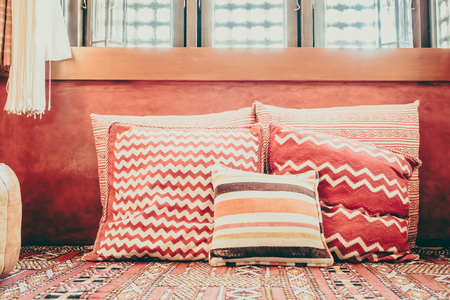
Introduction to Colours & Textures in Indian Interiors
India is a land where every region, festival, and even daily life is steeped in colour and texture. The use of vibrant hues and rich textures is not just an aesthetic choice but a reflection of our culture, traditions, and the diversity that defines Indian living. Whether you step into a traditional haveli in Rajasthan or a contemporary apartment in Mumbai, you will notice how colours and textures play a central role in creating warmth and personality within Indian homes. From the bright marigold yellows seen during Diwali to the deep indigos used in South Indian textiles, these elements connect us to our roots and bring out the essence of our unique lifestyles. The importance of such details goes beyond looks—they influence mood, comfort, and functionality in everyday settings. In this article, we will explore how regional influences shape the colourful and textured narratives of Indian interior design, making each home a canvas that tells its own story.
2. Cultural Significance of Colours in Indian Homes
India’s rich cultural heritage finds a vibrant expression through the use of colours in interior design, each hue carrying a deep-rooted symbolism shaped by centuries of tradition, regional customs, and spiritual beliefs. The choice of colours in Indian homes is never random; it is influenced by festivals, religious practices, and social rituals that differ from state to state but share an underlying reverence for colour as a conduit of positive energy and meaning.
Colour Symbolism Across Festivals and Traditions
In most Indian households, auspicious colours are carefully chosen to reflect prosperity, joy, and spiritual well-being. For instance, red is considered sacred and is used extensively during weddings and festivals such as Diwali—symbolizing purity, fertility, and marital bliss. Saffron, closely associated with Hindu spirituality, denotes sacrifice and sanctity, often gracing pooja rooms or entrances to invoke blessings. Earthy mustard tones evoke warmth and stability, commonly found in traditional Rajasthani or Gujarati homes to create an inviting ambience.
Examples of Colour Usage During Key Festivals
| Festival/Tradition | Prominent Colours Used | Cultural Meaning |
|---|---|---|
| Diwali (Festival of Lights) | Red, Yellow, Gold | Auspiciousness, wealth, joy |
| Pongal (South India Harvest Festival) | Green, Yellow | Growth, prosperity |
| Eid-ul-Fitr | White, Green | Purity, peace |
| Baisakhi (Punjab) | Saffron, Blue | Courage, faith |
Regional Influence on Colour Selection
The hues chosen for home interiors often align with local climate and landscape. In Rajasthan’s arid zones, terracotta reds and sandy mustards mirror the desert terrain while helping keep homes cool. Coastal Kerala favours whites and lush greens that reflect the region’s tropical vegetation and monsoon climate. The North Eastern states blend soft pastels with vibrant accents inspired by tribal artistry and nature. This regional adaptation ensures that every home not only celebrates India’s colourful spirit but also harmonises with its immediate environment.
Ultimately, the palette in Indian interior design acts as both a cultural storyteller and a functional element—enriching daily life with layers of meaning while connecting families to their roots through the universal language of colour.
Diversity of Regional Influences
When it comes to Indian interior design, the diversity of regional influences is truly unmatched. Every state in India boasts a unique cultural identity that is vividly expressed through its choice of colours and textures at home. For instance, Rajasthan is renowned for its bold, royal hues like deep reds, ochres, and indigos. Homes here often feature intricate wall paintings and luxurious textiles such as bandhani and block prints, echoing the region’s rich princely history.
Moving down south to Kerala, interiors take on a different personality altogether. The palette is calm and earthy—think coconut brown, lush green, and off-white—reflecting the serene backwaters and abundant natural beauty. Traditional homes in Kerala incorporate natural materials like cane, teak wood, and coir matting, bringing in an organic texture that keeps spaces cool and grounded.
In the east, West Bengal brings a touch of artistic flair with its pastel tones, terracotta finishes, and carved wooden details. Bengali homes often showcase handloom textiles like kantha throws or dhakai saree-inspired curtains. These choices are rooted deeply in local craftsmanship and the intellectual, creative spirit of the region.
Gujarat, on the other hand, injects vibrancy into interiors with mirror work, bold embroidery (like kutch), and colourful patchwork textiles. The lively atmosphere is further enhanced by bright wall colours and locally-made clay tiles. This approach reflects Gujarat’s festive traditions and joyful way of life.
The interplay of these regional styles makes Indian interior design a dynamic blend of heritage and lifestyle. Whether you’re admiring a Rajasthani haveli or a modern Kolkata flat, each home tells its own story through its carefully curated palette and textured surfaces.
4. Textures: From Traditional Crafts to Contemporary Decor
In Indian interior design, the integration of textures is as significant as the use of vibrant colours. Textures not only bring depth and warmth but also narrate stories of India’s rich artisanal heritage. Across regions, traditional crafts have left a distinct mark on how urban homes are decorated today, blending age-old techniques with modern aesthetics to create uniquely Indian spaces.
The Enduring Appeal of Handwoven Fabrics
From the intricate weaves of Kanchipuram silk in Tamil Nadu to the earthy khadi from Gujarat, handwoven fabrics remain central to Indian décor. These textiles are often used for upholstery, drapes, cushions, and wall hangings, bringing a tactile richness that machine-made materials cannot replicate. In contemporary urban settings, designers love mixing these traditional textiles with minimalist furnishings to create a space that feels both rooted and cosmopolitan.
Carved Woods: Tradition Meets Modernity
Indian carpentry is renowned for its detailed craftsmanship—whether it’s ornate jaali (lattice) panels from Rajasthan or rosewood furniture from Kerala. Today’s urban homes often feature accent pieces such as headboards, coffee tables, or screens made from carved wood. These elements serve as conversation starters while maintaining functionality and durability.
Terracotta & Tiles: Earthy Elegance
Terracotta has been used for centuries in rural Indian homes for flooring, pots, and decorative elements due to its cooling properties and natural charm. With the rise of sustainable décor trends in cities like Mumbai and Bangalore, terracotta tiles and accessories are making a comeback. Similarly, intricate ceramic and cement tiles inspired by Mughal or Portuguese designs can be found in modern kitchens and bathrooms, infusing spaces with character.
Comparing Regional Textures in Urban Decor
| Material/Craft | Regional Influence | Contemporary Urban Use |
|---|---|---|
| Handwoven Fabrics | Tamil Nadu (Silk), Gujarat (Khadi), Bengal (Jamdani) | Cushions, curtains, wall art |
| Carved Wood | Rajasthan (Jaali), Kerala (Rosewood), Punjab (Sheesham) | Accent furniture, screens, doors |
| Terracotta | Bengal (Pottery), Maharashtra (Tiles) | Pots, planters, floor tiles |
| Intricate Tiles | Mughal (Inlay work), Portuguese (Goan tiles) | Kitchen backsplashes, bathroom walls |
Evolving Roles in Modern Indian Interiors
The fusion of these textures in today’s urban Indian interiors reflects a desire to stay connected to cultural roots while embracing global design trends. By thoughtfully integrating handwoven fabrics, carved woods, terracotta accents, and decorative tiles, homeowners can achieve a balance between tradition and innovation—making each home a celebration of India’s diverse artistry.
5. Combining Modern Functionality with Local Flavour
Modern Indian homes often face the challenge of integrating vibrant regional colours and textures with contemporary layouts. Striking a balance between tradition and present-day preferences is essential for creating spaces that are both practical and full of personality.
Smart Use of Colours in Contemporary Spaces
To infuse your home with regional character, select a bold colour palette inspired by your roots—think Rajasthani ochres, Kerala greens, or Gujarati indigos. Introduce these shades as accent walls, upholstery, or statement décor pieces. Keep the base palette neutral to allow the vibrant hues to stand out without overwhelming the space.
Practical Tip:
Use washable paints for high-traffic areas to ensure easy maintenance without sacrificing colour intensity. Modular furniture in muted tones can help tone down vivid backdrops, keeping interiors functional yet lively.
Textures that Tell Stories
Layering textures is key to bringing warmth and authenticity to modern interiors. Traditional Indian elements like handwoven dhurries, block-printed cushions, or carved wooden panels can be beautifully paired with sleek materials such as glass or steel. This fusion not only adds visual interest but also celebrates craftsmanship from various regions.
Practical Tip:
Opt for locally sourced textiles and artisan-made crafts. These not only support indigenous communities but also create a tactile experience rooted in culture. Place textured accents—like a Kutch mirror work pouffe or bamboo blinds from Assam—in functional spots like reading nooks or dining corners.
Merging Heritage with Modern Lifestyles
Open-plan layouts and multifunctional furniture are hallmarks of today’s urban homes. Integrate traditional motifs or lattice screens (jaali) as room dividers to define spaces without compromising on openness. Use built-in storage with colourful inlays or brass handles for a touch of heritage that serves everyday needs.
Expert Insight:
Lighting plays a big role—combine modern LEDs with decorative pendant lamps inspired by regional designs, like Moradabad metalwork or Jaipur blue pottery shades, for an ambience that honours both past and present.
The key is thoughtful curation: let each element—colour, texture, artefact—tell a story of your region while seamlessly fitting into your lifestyle. By blending modern functionality with local flavour, you’ll achieve a home that feels uniquely yours and deeply connected to India’s rich design legacy.
6. Conclusion: Creating an Authentic Indian Vibe at Home
Embracing the regional colours and textures of India is more than just a style choice—it is about celebrating a rich cultural heritage within your own four walls. When you thoughtfully select hues inspired by Rajasthan’s vibrant pinks, Kerala’s soothing whites, or Gujarat’s bold indigos, you infuse your home with a sense of place and identity. Similarly, incorporating local materials like handloom textiles, terracotta tiles, or carved woodwork not only adds tactile beauty but also creates a genuine connection to Indian traditions.
The mindful use of these elements does not mean overwhelming your space with too many patterns or colours. Instead, it is about striking the right balance to reflect your personality while staying rooted in local aesthetics. This careful curation brings both vibrancy and comfort—homes feel lively yet welcoming, colourful yet cohesive. Every region in India offers something unique; by drawing inspiration from their palettes and textures, you make each corner of your home tell a story that is distinctly Indian.
Ultimately, the secret lies in combining the old with the new, honouring traditional motifs while adapting them to modern lifestyles. Whether you live in Mumbai or Chennai, a thoughtfully designed space using regional influences will always radiate warmth and authenticity. By doing so, you create not just a beautiful home but a heartfelt tribute to India’s incredible diversity.