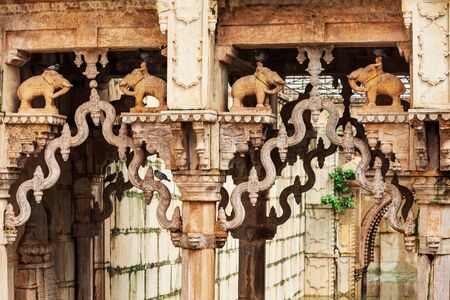
1. Understanding Traditional Indian Aesthetics
When it comes to making your compound wall and gate stand out in true Indian style, it is essential to first understand the deep-rooted principles of traditional Indian design. Indian aesthetics go far beyond simple ornamentation; they are a vibrant reflection of our diverse culture, regional heritage, and spiritual beliefs. The use of colours in India carries significant symbolism—reds signify prosperity and energy, yellows bring warmth and optimism, while blues and greens often represent tranquility and growth. Each region in India offers its own distinct inspiration: Rajasthani walls burst with vivid hues and mirror work, while South Indian styles may embrace earthy tones with intricate Kolam or rangoli patterns. Motifs like paisleys, lotuses, elephants, and peacocks are commonly used to convey auspiciousness, protection, and beauty. By incorporating these core elements into your compound wall and gate design, you not only enhance curb appeal but also pay homage to the rich tapestry of Indian artistry that celebrates both tradition and individuality.
Choosing Colour Palettes Suited for Indian Homes
When it comes to making your compound wall and gate stand out with an authentic Indian touch, colour selection plays a vital role. The right palette not only elevates the aesthetics but also aligns with traditional values and local culture. In India, colours are more than just visual elements—they carry deep meanings and are often chosen for their auspiciousness and vibrancy. Below are some essential tips to help you select the perfect hues and harmonise them with your surroundings.
Tips for Selecting Vibrant and Auspicious Colours
- Understand Local Preferences: In most Indian regions, bright and bold shades such as saffron, vermillion red, peacock blue, and mustard yellow are considered auspicious and lively.
- Consider Cultural Significance: Each colour holds a specific meaning in Indian culture. For example, red symbolises prosperity and protection, while green is associated with growth and harmony.
- Avoid Inauspicious Colours: Some colours like pure black or dull grey are traditionally avoided as they may be perceived as inauspicious.
Understanding the Meaning of Popular Colours in India
| Colour | Meaning in Indian Context | Best Used For |
|---|---|---|
| Saffron/Orange | Spirituality, purity, strength | Main gate, entrance highlights |
| Red | Energy, prosperity, auspiciousness | Pillars, borders |
| Green | Harmony, freshness, new beginnings | Main wall panels, garden-facing walls |
| Blue | Calmness, protection, vastness | Accent sections, trims |
| Yellow/Gold | Happiness, optimism, sacredness | Main wall body or motifs |
| White/Ivory | Simplicity, peace, purity | Borders or background base for patterns |
Blending Colours for Harmony with Surroundings
- Create Contrast: Use complementary combinations (like red & white or blue & yellow) for a striking yet balanced look.
- Cohesive Patterns: Blend two or three harmonious shades instead of many to avoid visual clutter; consider using traditional motifs or geometric patterns for added appeal.
- Coordinate with Nature: Choose colours that complement your landscape—earthy tones like terracotta pair well with garden greenery while brighter hues can bring life to urban settings.
- Auspicious Placement: Place powerful colours such as red or saffron near the entrance to attract positive vibes according to Vastu Shastra principles.
The Perfect Palette Makes All the Difference!
Selecting colours rooted in Indian tradition not only enhances beauty but also brings cultural significance to your space. By understanding the symbolism behind each shade and thoughtfully blending them, you can create a compound wall and gate that welcomes guests with charm and positivity while reflecting true Indian spirit.
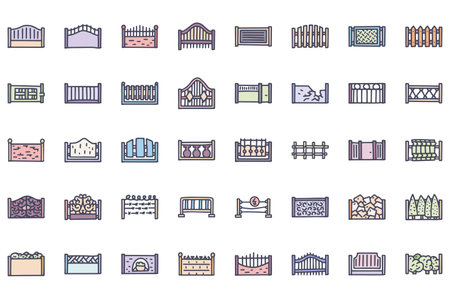
3. Incorporating Textures and Local Materials
Adding texture to your compound wall and gate instantly brings a new dimension and depth that goes beyond mere colour. In Indian design, integrating indigenous materials such as natural stone, terracotta tiles, laterite, or brick can infuse your exterior with character and regional authenticity.
Stone Cladding for Timeless Appeal
Stone cladding is highly popular across India, from the rugged look of Rajasthan’s sandstone to the polished granite of the South. By using stone panels or tiles on portions of the wall or gate pillars, you create a tactile experience and an elegant visual contrast against smooth plastered surfaces. Stone also weathers beautifully in the Indian climate, growing richer over time.
Tiles: Traditional Meets Trendy
Colourful tiles—whether glazed ceramic, hand-painted, or local terracotta—are another vibrant way to introduce texture. Kerala-style patterned tiles, blue pottery from Jaipur, or rustic red Mangalore roof tiles can be used as borders, accent panels, or even as mosaic art on your gate. These tiles not only add intricate detail but also celebrate Indias rich artisan traditions.
Jali Work: Light and Shadow Play
No discussion on Indian textures is complete without mentioning jali work. Intricately carved stone or metal screens have long been used in Indian architecture for privacy and ventilation. Incorporating jali patterns into compound walls or gates creates beautiful interplay of light and shadow throughout the day while reflecting classic Mughal or Rajasthani influences.
The Power of Indigenous Materials
Using materials like laterite stone in Goa or bamboo in Northeast India not only supports local craftsmen but also ensures that your compound wall resonates with its surroundings. Locally sourced materials are adapted to weather conditions and offer a natural harmony that imported elements might lack.
Design Tip:
Mixing textures—such as combining rough stone with smooth painted surfaces or pairing metal jali with wooden gates—can make the entrance truly stand out while echoing the diversity found across Indian landscapes.
4. Traditional Motifs and Decorative Elements
Embracing traditional Indian motifs and decorative elements can transform a simple compound wall and gate into an artistic statement that resonates with cultural pride. The use of rangoli-inspired designs, godly symbols, and nature-based patterns is deeply rooted in Indian homes, signifying prosperity and positivity. These motifs not only enhance visual appeal but also bring an emotional connection to heritage.
Insightful Use of Rangoli Designs
Rangoli is more than just a festive decoration; it is an expressive art form that can be beautifully translated onto walls and gates. By using bright powders or mural paints, intricate patterns like peacocks, lotus flowers, or geometric swirls can be recreated as permanent features. This technique infuses the entrance with vibrant colours and a welcoming aura.
God and Nature-Inspired Motifs
Motifs inspired by deities such as Ganesha, Lakshmi feet, or Om symbols are widely favoured for entrances, believed to invite blessings into the home. Similarly, nature motifs like mango leaves, creepers, elephants, or birds reflect harmony with the environment—a value cherished in Indian culture. These designs can be etched, painted, or even created using wrought iron for gates.
Artisanal Patterns: Regional Flavours
Every region in India boasts its unique artisanal flair. For example, Warli art from Maharashtra, Madhubani from Bihar, or Chettinad tile patterns from Tamil Nadu can be incorporated as border trims or central highlights. These handcrafted patterns add authenticity and showcase regional pride.
Popular Motif Applications
| Motif Type | Symbolism | Application Ideas |
|---|---|---|
| Rangoli Patterns | Auspiciousness & Celebration | Mural painting on walls & near entrance gate base |
| Godly Symbols (e.g., Om, Ganesha) | Blessings & Positivity | Main gate panels, wall plaques |
| Nature Motifs (e.g., Peacock, Mango leaves) | Harmony & Growth | Cement carvings, wrought iron work on gates |
| Regional Artisanal Patterns | Cultural Heritage | Border tiles, pillar accents |
Selecting and combining these motifs thoughtfully ensures your compound wall and gate stand out with authentic Indian character while making a lasting impression on guests and passersby alike.
5. Gate Designs Blending Functionality and Indian Charm
When it comes to creating an inviting entrance, the gate is as important as the compound wall. In Indian homes, the gate is not only about security but also reflects traditional aesthetics and local craftsmanship. Selecting or designing a gate that balances intricate artistry with practical needs requires attention to both style and substance.
Embracing Intricate Metalwork
Wrought iron gates with detailed scrollwork or motifs inspired by peacocks, lotuses, or mandalas are highly popular in India. These designs offer an elegant appearance while providing strength and durability. Powder coating in rich hues like matte black, bronze, or even vibrant peacock blue enhances weather resistance—crucial for the Indian monsoon and heat.
Wood Carvings for a Timeless Touch
Traditional wooden gates featuring hand-carved floral or geometric patterns bring warmth and heritage appeal. Teak and sal wood are preferred due to their resilience against humidity and pests. A natural polish or earthy stains accentuate the wood’s grain while protecting it from harsh sunlight and rain, ensuring the gate remains attractive over time.
Jaali Accents for Light and Privacy
Incorporating jaali (lattice) work—either in metal or wood—adds a touch of Mughal-inspired beauty while allowing filtered light and breeze into your property. This also creates visual interest from the street while maintaining privacy for residents inside.
Balancing Security with Style
No matter how ornate the design, security should never be compromised. Opt for sturdy frames, reliable locking mechanisms, and consider adding CCTV integration points if necessary. Gates should be tall enough to deter intruders but proportionate to the compound wall for a harmonious look.
Choosing Colours That Endure
Select bold yet sophisticated colours such as deep reds, greens, or blues that resist fading under strong sunlight. Metallic finishes and weatherproof paints are ideal choices for Indian climates, preventing rusting or peeling even during heavy rains.
Merging Modern Trends with Tradition
If you prefer contemporary flair, blend minimalist forms with ethnic details—like pairing simple steel structures with traditional brass handles or jaali inserts. Collaborating with local artisans ensures your gate stands out while supporting indigenous crafts. Ultimately, a thoughtfully designed gate welcomes guests with grace while keeping your home secure and culturally resonant.
6. Practical Tips for Long-Lasting Results
Guidance on Preparation
Before you begin transforming your compound wall and gate, proper preparation is crucial. Start by cleaning the surfaces thoroughly to remove dust, dirt, and any previous paint residues. Repair any cracks or damages with suitable cement or filler to ensure an even finish. In Indian conditions, it’s best to work during dry weather to avoid moisture problems that can affect the paint’s adhesion and durability.
Selecting Weather-Resistant Paints
Indian weather can be unpredictable—extreme heat, monsoon rains, and humidity are common challenges. Choose high-quality, exterior-grade paints specifically designed for Indian climates. Acrylic-based emulsions and weather-proof paints offer excellent protection against UV rays and rainfall. For gates, anti-corrosive primers followed by enamel paints help prevent rusting and maintain shine for years.
Routine Maintenance Matters
To keep your compound wall and gate looking vibrant, routine maintenance is key. Wash the surfaces regularly with mild soap and water to remove stains and pollutants. Inspect for signs of peeling paint, algae growth, or rust—address these issues promptly to prevent further damage. Repainting every 3–5 years is recommended for best results in Indian environments.
Dos and Don’ts for Indian Compound Walls & Gates
Dos:
- Always test a small patch before applying new paints or textures.
- Use traditional motifs or stencils to reflect Indian culture while adding personality.
- Apply sealants where needed to prevent water seepage during monsoons.
Don’ts:
- Avoid using interior paints for exterior surfaces—they won’t withstand harsh Indian weather.
- Do not ignore minor cracks; they can quickly become larger due to heavy rains.
- Avoid painting during humid or rainy days, as this affects drying and longevity.
By following these practical tips tailored for Indian homes, you can ensure your compound wall and gate remain beautiful, durable, and welcoming year after year.