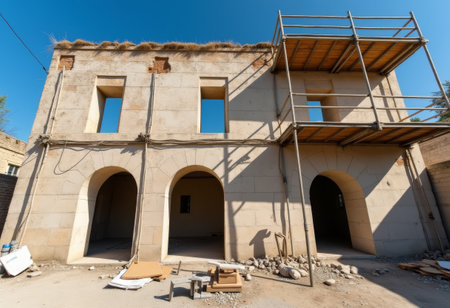
Understanding the Value of Redeveloping Old Indian Homes
India’s urban and semi-urban landscapes are dotted with ageing homes—some dating back decades, others even centuries. While these ancestral properties often appear time-worn, they represent a compelling blend of investment potential and deep-rooted cultural value. For many Indian families, these old homes hold memories of generations past, rituals celebrated under their roofs, and a sense of belonging that transcends bricks and mortar. This emotional connection frequently motivates owners to consider redevelopment rather than outright sale or demolition.
From an investor’s perspective, the increasing demand for modern amenities in traditional neighbourhoods opens up lucrative opportunities. As Indian cities expand and land prices surge, redeveloping existing structures into contemporary residences becomes an attractive proposition. These projects not only yield higher returns on investment but also contribute to urban renewal while respecting local heritage. Moreover, government policies and incentives tailored to promote urban regeneration make such ventures even more appealing. In essence, redeveloping old Indian homes is not just about upgrading physical spaces—it’s about preserving legacies, enhancing property value, and responding to the evolving aspirations of today’s homeowners.
2. Market Trends and Investment Potential
India’s real estate landscape is undergoing a significant transformation, driven by urbanisation, evolving lifestyle preferences, and government initiatives. Redevelopment of old Indian homes—often called “heritage bungalows” or “ancestral properties”—is now emerging as a key trend in major metros like Mumbai, Delhi, Bengaluru, Chennai, and Kolkata. Homeowners and investors are recognising the immense investment potential in repurposing these ageing structures to suit modern needs while retaining their cultural essence.
Current Real Estate Market Trends
Over the past few years, there has been a visible shift towards redeveloping old properties rather than building new ones from scratch. This is fuelled by several factors:
- Scarcity of Prime Land: With limited land availability in city centres, redevelopment presents an opportunity for maximising land use.
- Cultural Value: Many Indian families seek to preserve ancestral connections while upgrading facilities.
- Sustainable Approach: Retrofitting existing buildings aligns with eco-friendly practices that are increasingly valued by today’s buyers and tenants.
Capital Appreciation & Rental Yield: City-wise Analysis
The financial returns on redeveloped properties can be substantial. Here’s a snapshot of capital appreciation and rental yields across key Indian cities:
| City | Avg. Capital Appreciation (5 yrs) | Rental Yield (%) | Redevelopment Hotspots |
|---|---|---|---|
| Mumbai | 30-40% | 2.5-4.0 | Bandra, Juhu, Chembur |
| Bengaluru | 25-35% | 3.5-5.0 | Indiranagar, Malleshwaram |
| Delhi NCR | 20-30% | 2.0-3.0 | Lajpat Nagar, Hauz Khas |
| Chennai | 18-28% | 2.8-4.2 | T.Nagar, Adyar |
| Kolkata | 15-25% | 2.1-3.5 | Ballygunge, Salt Lake |
Regulatory Incentives & Government Support
The central and state governments have rolled out multiple incentives to encourage redevelopment projects:
- TDR (Transfer of Development Rights): Available in cities like Mumbai, allowing developers to build higher or transfer rights elsewhere.
- Eased FSI (Floor Space Index) Norms: Many urban local bodies offer increased FSI for redevelopment of old buildings.
- No GST on Ready-to-Move-In Homes: Reduces tax burden for homebuyers.
- Simplified Approval Processes: Single-window clearances in select states improve project timelines and investor confidence.
- Nodal Agencies: Specialised redevelopment cells in municipal corporations facilitate smoother execution.
A Promising Avenue for Investors & Homeowners Alike
The confluence of favourable market trends, strong financial returns, and proactive policy support is making the redevelopment of old Indian homes one of the most attractive opportunities in India’s property sector today.

3. The Regulatory Landscape: RERA and Local Policies
Redeveloping old Indian homes is a promising investment, but navigating the regulatory maze is crucial for both developers and homeowners. The Real Estate (Regulation and Development) Act, commonly known as RERA, stands at the forefront of this process, safeguarding buyers’ interests and ensuring transparency across all redevelopment projects. RERA mandates timely completion, quality standards, and clear documentation—factors that instill confidence in both NRIs and local investors eyeing the residential revival sector.
Understanding RERA’s Role in Redevelopment
RERA’s influence extends beyond new construction; its provisions cover redevelopment ventures as well. Before any redevelopment project commences, mandatory registration with the respective State RERA authority is required. This step ensures that all stakeholders have access to verified project details and timelines. Moreover, RERA enforces strict penalties for non-compliance, protecting homeowners from delayed possession or substandard work—a common concern in legacy property transformations.
Local Municipal Regulations: Navigating State-Specific Guidelines
While RERA sets the national framework, state governments and municipal corporations wield significant authority over redevelopment policies. For instance, Maharashtra’s DCR 33(7) has been a game-changer in Mumbai’s cluster redevelopment by providing higher FSI (Floor Space Index) incentives to incentivise rebuilding aging chawls and societies. In contrast, Bengaluru’s BBMP guidelines focus on sustainable development and preserving the city’s unique architectural heritage during home upgrades.
Critical Approvals & Permissions
The approval process typically involves multiple steps: obtaining No Objection Certificates (NOCs) from society members, clearance from the fire department, environmental permissions, and adherence to zoning laws. Each municipality may have unique requirements—Delhi NCR often necessitates additional structural safety certifications due to seismic risks, while Chennai emphasizes coastal zone regulations for properties near shorelines.
Impact on Investors & Homeowners
The interplay between RERA and local policies directly affects investment timelines, costs, and potential returns. States like Gujarat and Telangana have introduced single-window clearance systems to streamline permissions, making them attractive destinations for redevelopment-focused investors. Meanwhile, policy updates—such as increased FSI allowances or eased tenancy laws—can significantly enhance project viability.
Staying informed about evolving regulations and working with experienced legal advisors are essential strategies for anyone considering capitalising on India’s old home redevelopment wave. By understanding both national statutes like RERA and hyper-local rules enforced by municipalities, investors can unlock greater value while ensuring compliance every step of the way.
4. Cultural Nuances and Vastu Considerations
When considering the redevelopment of old Indian homes, it is crucial to respect and incorporate cultural nuances that are deeply rooted in the fabric of Indian society. The design and planning of rebuilt homes must address not only modern needs but also traditional beliefs and practices, such as Vastu Shastra, community customs, and joint family structures. These elements play a pivotal role in ensuring both the comfort and acceptance of new developments within local communities.
Understanding Vastu Shastra
Vastu Shastra, often referred to as the Indian science of architecture, is an ancient guideline for designing spaces that promote harmony, prosperity, and health. Many homebuyers and investors in India regard Vastu compliance as essential, sometimes even more than aesthetics or modern amenities. Incorporating Vastu principles during the redevelopment process can significantly increase the property’s appeal and market value.
| Vastu Element | Typical Recommendation | Impact on Redevelopment |
|---|---|---|
| Main Entrance | East or North facing | Enhances positive energy flow; considered auspicious by buyers |
| Kitchen Location | Southeast corner | Believed to foster good health; influences kitchen placement in floor plans |
| Pooja Room (Prayer Room) | Northeast corner | Promotes spiritual wellbeing; often a non-negotiable feature for families |
| Master Bedroom | Southwest corner | Ensures stability; affects room allocation decisions during rebuilding |
Community Customs & Social Dynamics
Indian neighborhoods are characterized by close-knit social networks and longstanding traditions. Redeveloping old homes should take into account local festivals, communal spaces, and the need for areas where neighbours can interact. For instance, shared courtyards or verandahs remain popular as they support community bonding.
The Joint Family Structure Influence
A significant portion of Indian households still prefer living together as joint families. This tradition shapes the layout of redeveloped homes: multi-generational living requires larger common areas, multiple bedrooms with attached bathrooms, and flexible spaces that can accommodate various age groups. Builders and investors who understand these requirements are better positioned to deliver projects that resonate with end users.
Cultural Sensitivity as an Investment Advantage
Addressing these cultural nuances not only fosters goodwill but also ensures higher occupancy rates and lower vacancy risk. Investors who proactively integrate Vastu compliance, respect for community customs, and provisions for joint family living into their redevelopment strategies will find greater acceptance among local buyers—translating into enhanced returns on investment.
5. Step-by-Step Guide to Redevelopment
Understanding the Process: A Practical Overview
For investors and homeowners eager to redevelop old Indian homes, a structured approach is key to unlocking value while minimizing risks. The Indian real estate landscape requires careful navigation of regulatory, financial, and cultural nuances. Here’s a step-by-step guide tailored to the Indian context:
Feasibility Studies: Assessing Potential
Begin with a comprehensive feasibility study. This involves evaluating the property’s current structural integrity, location advantages, local demand trends, and potential return on investment (ROI). Engaging a local architect or valuation expert familiar with Indian markets can help you identify hidden opportunities and flag possible challenges early in the process.
Securing Approvals: Navigating Local Regulations
India’s redevelopment projects are governed by municipal bylaws, state-specific policies, and sometimes heritage restrictions. Prepare for paperwork! Obtain necessary permissions from local authorities such as the municipal corporation, urban development department, and if required, heritage conservation boards. Involving an experienced legal advisor who understands regional regulations ensures smooth approval processes and compliance with all statutory norms.
Finding Reliable Local Contractors
Selecting trustworthy contractors is crucial for timely and quality execution. Seek referrals within your community or consult industry associations like CREDAI or NAREDCO. Prioritize builders with experience in heritage or residential redevelopment projects in India. Always verify credentials, inspect previous work, and negotiate clear contracts outlining deliverables and payment terms.
Managing Timelines and Budgets
Project delays are common due to factors like monsoon disruptions, labour shortages, or regulatory bottlenecks. Set realistic timelines with buffer periods for unforeseen events. Use project management tools or hire a professional project manager to track progress and control costs. Transparent communication between all stakeholders—homeowners, investors, architects, and contractors—is essential for staying on schedule.
Cultural Sensitivity: Blending Tradition & Modernity
Respect local traditions by integrating elements like Vastu Shastra or regional craftsmanship into your redevelopment plans. Such touches not only enhance market appeal but also add emotional value for future residents—a factor that often translates into higher returns in India’s culturally rooted property market.
6. Real-Life Case Studies and Success Stories
Redevelopment in Mumbai: A Blueprint for Returns
Mumbai, the financial capital of India, has witnessed a surge in the redevelopment of old chawls and heritage buildings. For instance, the transformation of a century-old housing society in Dadar into a modern residential complex delivered up to 35% higher property value for original owners. Local architects collaborated with developers to preserve cultural elements while integrating modern amenities, ensuring the new structures resonated with Mumbai’s unique character. Residents benefited from better infrastructure, enhanced security, and increased community spaces—showcasing how redevelopment can be both profitable and sensitive to local ethos.
Bengaluru: Heritage Meets Innovation
Bengaluru’s old bungalows in areas like Basavanagudi and Malleswaram have been successfully redeveloped through joint ventures between homeowners and real estate firms. In one notable project, an ancestral home was rebuilt into premium apartments with eco-friendly features. The family retained multiple units as part of the deal, while investors saw double-digit rental yields due to high demand for modern living spaces in historic neighborhoods. Active participation from reputed local architects ensured that traditional facades were retained, contributing to neighborhood pride and market appeal.
Pune & Hyderabad: Community-Led Transformation
In Pune’s Camp area and Hyderabad’s Secunderabad region, community housing societies pooled resources to redevelop their aging blocks. By engaging locally rooted architectural firms, these projects maintained regional aesthetics and prioritised sustainable design. The result was not just improved living conditions but also a sense of empowerment among residents. Property values rose by over 25%, demonstrating strong investment returns and setting benchmarks for other Indian metros.
Key Takeaways from Success Stories
- Returns on investment often exceed 30% in prime metro locations.
- Local architect involvement ensures cultural continuity and regulatory compliance.
- Community benefits include upgraded infrastructure, better amenities, and stronger social ties.
Looking Ahead
The successful redevelopment of old Indian homes is reshaping city skylines while delivering tangible benefits to investors, homeowners, and communities alike. These case studies from Mumbai, Bengaluru, Pune, and Hyderabad exemplify how thoughtful collaboration can unlock immense value—financially, culturally, and socially—making redevelopment a win-win proposition across India.