
Understanding What Indian Tenants Really Want
When preparing empty flats for Indian tenants, it is essential to understand their unique needs and cultural preferences. Most Indian families prioritise practical features that support daily routines and traditional customs. For instance, Vaastu compliance is highly valued, as many tenants seek homes aligned with these principles for better health, prosperity, and positive energy. In addition, the kitchen is considered the heart of the home in Indian culture. A well-ventilated, spacious kitchen with enough storage for spices, utensils, and large vessels is a must-have. Family-friendly spaces are also important—tenants often look for layouts that can accommodate joint families or frequent guests. Features like a separate pooja (prayer) area, balconies for drying clothes, and extra bathrooms are commonly requested. Understanding these requirements not only makes the flat more appealing but also helps build trust and long-term relationships with tenants.
Kitchen Ready for Ghar Ka Khana
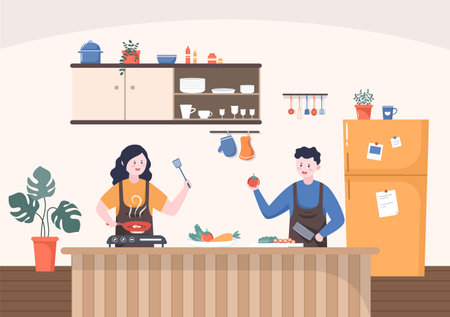
For most Indian tenants, the kitchen is the heart of the home—a space where ghar ka khana (home-cooked food) brings comfort and a sense of belonging. When preparing an empty flat for new occupants, ensuring the kitchen is well-equipped can make all the difference in making them feel at home from day one.
Essential Indian Kitchen Setup Tips
To help your tenants settle in quickly, consider providing these basic kitchen essentials that every Indian household expects:
| Item | Purpose | Indian Context |
|---|---|---|
| Tawa & Kadai | For making rotis, dosas, and deep-fried snacks | A must-have for daily meals and festivals |
| Mixer-Grinder | Grinding masalas, chutneys, and batters | Speeds up cooking; essential for South/North Indian recipes |
| LPG Gas Connection Ready | Safe and convenient cooking fuel setup | Saves tenants’ time; ensures immediate usability |
| Pressure Cooker | Quickly cooks dal, rice, and curries | Mainstay for fast-paced urban lifestyles |
| Storage Containers | Organise grains, pulses, masalas, tea/coffee | Keeps ingredients fresh and handy; prevents pest issues |
| Basic Cutlery & Utensils | Spoons, knives, plates, glasses, tongs (chimta) | Covers everyday eating and serving needs right away |
| Water Filter or RO System | Ensures safe drinking water for all family members | An expected standard in most Indian cities today |
LPG Connection Readiness: A Big Plus!
A kitchen with a ready-to-use LPG connection is always appreciated. If possible, arrange the paperwork with the local gas agency so your tenant can activate it immediately. This small gesture saves time and hassle for families moving in.
Clever Storage Solutions for Spices & Grains
Space-efficient storage—like wall-mounted racks or modular cabinets—makes it easy to organise masalas (spices), dals (lentils), and dry grains. Indian cooking uses a variety of spices daily; having dedicated shelves or labeled containers keeps everything accessible and neat.
Pro Tip: Quick-Start Kitchen Kit for New Tenants!
If you want to go the extra mile, assemble a starter kit with salt, haldi (turmeric), chilli powder, tea/coffee sachets, and some basic utensils. This simple touch will help tenants prepare their first meal without delay—and instantly feel at home in their new flat.
3. Essential Furnishings for Comfort
When preparing empty flats for Indian tenants, it is crucial to provide basic yet essential furnishings that address both the unique climate and cultural preferences of India. One of the most fundamental requirements is a good quality ceiling fan in every room. Given the country’s hot and humid weather, especially during summer months, fans are indispensable for everyday comfort. In addition, installing a reliable geyser in bathrooms ensures tenants enjoy warm water, which is particularly valued during winters in northern regions or for families with elders and young children.
Sturdy cupboards and wardrobes are another must-have in Indian homes. Many Indian families, including joint families, have substantial storage needs due to traditional attire, seasonal bedding, and family heirlooms. Providing spacious wooden or metal cupboards not only helps keep the flat organised but also saves tenants the hassle and cost of buying new storage solutions.
Comfortable seating arrangements should not be overlooked either. A basic sofa set or cushioned chairs in the living area cater to the typical Indian habit of entertaining guests at home and frequent family gatherings. Opting for easy-to-clean fabrics and durable designs will appeal to tenants who value practicality along with aesthetics.
By focusing on these essential furnishings—fans, geysers, sturdy cupboards, and comfortable seating—you create a welcoming atmosphere that resonates with Indian tenants’ expectations and daily lifestyle needs. This thoughtful approach can make your flat stand out in the competitive rental market while ensuring convenience for both nuclear and joint families.
Welcoming First Impressions
First impressions set the tone for how tenants feel about their new home. In India, a welcoming entrance and living area are especially valued, as they reflect both hospitality and positive energy. Here are practical suggestions to make empty flats inviting from the moment tenants step in.
Traditional Touches: Rangoli and Nameplates
Rangoli is more than just decoration; it’s a symbol of auspiciousness and warm hospitality in Indian culture. Before tenants arrive or during house viewings, a simple rangoli pattern at the doorstep can instantly uplift the entrance, making it feel homely and cared for. Likewise, providing space for a nameplate allows families to personalise their entryway, which is deeply rooted in Indian tradition and gives tenants a sense of belonging right from day one.
Functional Essentials: Shoe Racks and Storage
Since most Indian households have the custom of removing shoes before entering the main living space, having a dedicated shoe rack near the entrance keeps the area tidy and convenient. A well-placed shoe rack not only prevents clutter but also shows attention to practical needs, making tenants feel understood and welcomed.
| Item | Purpose | Suggested Placement |
|---|---|---|
| Rangoli | Adds traditional charm, welcomes positivity | Main door/entrance threshold |
| Nameplate provision | Personalises space for tenants | Door or gate outside flat |
| Shoe rack | Keeps entrance organised, respects customs | Just inside or outside the main door |
| Bright lighting | Makes space appear cheerful and safe | Entrance foyer & living room ceiling/walls |
Lighting: Bright & Positive Vibes
A well-lit entrance creates an instant sense of safety and warmth. Opt for bright LED lights at the doorway and in the living area, as dimly lit spaces can feel gloomy or uninviting. Good lighting highlights cleanliness and enhances any decor, whether it’s a rangoli design or colourful art on the walls.
Quick Tips for an Inviting Entrance:
- Add a fresh rangoli pattern for special occasions or tenant move-ins.
- Install a sturdy shoe rack with enough compartments for families.
- Ensure there’s space (and hooks) for a nameplate or welcome sign.
- Use daylight-mimicking bulbs for a cheerful atmosphere.
- If possible, place a small indoor plant near the entrance for natural freshness.
A thoughtfully prepared entrance speaks volumes about your care as a landlord. By blending tradition with functional elements, you create not just a flat—but an inviting home that resonates with Indian tenants’ expectations and values.
Prioritising Safety and Connectivity
When it comes to attracting Indian tenants, especially families and young professionals, prioritising safety and connectivity in your empty flat is a real game-changer. Indian tenants often look for homes that ensure peace of mind and help them stay connected, both for work and personal life. Here’s how you can make your property stand out by focusing on these key aspects.
Security Grills and CCTV: Essential Safeguards
For most Indian households, safety is non-negotiable. Installing sturdy security grills on windows and balconies offers visible protection and reassures tenants about their family’s well-being. Complementing this with a modern CCTV system at entry points or in common areas adds another layer of security. Many Indian families, especially those with children or elderly members, place great value on visible security measures before signing the lease.
Power Backup: No More Interruptions
Frequent power cuts are still a reality in many parts of India. To make your flat more tenant-friendly, providing a reliable power backup—either an inverter or generator—can be a huge plus point. This is particularly important for tenants working from home or students attending online classes, ensuring their routines aren’t disrupted during outages.
Reliable Internet: Supporting Modern Lifestyles
With the growing trend of remote work and online education in India, high-speed internet has become as essential as water supply. Consider pre-installing a broadband connection or offering guidance on getting one set up quickly. Promoting the flat as ‘work-from-home ready’ appeals to today’s digital-savvy renters who need seamless connectivity for video calls, streaming, and e-learning.
By addressing these must-haves—security grills, CCTV surveillance, consistent power backup, and fast internet—you not only assure prospective Indian tenants of safety and comfort but also show that you understand their daily needs. This thoughtful approach will go a long way in making your empty flat welcoming, practical, and ready to move in without hassle.
6. Eco-Friendly and Maintenance Tips
In India, eco-friendly living is not just a trend—it’s becoming a necessity, especially in cities facing water scarcity and waste management issues. For landlords who want to attract responsible and long-term tenants, integrating sustainable features and offering easy maintenance options can make your empty flat stand out.
Water-Saving Fixtures
Install water-saving taps, dual-flush toilets, and low-flow showerheads in the flat. These small upgrades not only help conserve precious water but also lower utility bills for tenants—a feature most Indians appreciate given frequent water shortages. Consider adding rainwater harvesting systems if feasible; they are valued in many Indian communities.
Recycling Systems
Provide clearly labeled bins for wet (kitchen) and dry (plastic, paper) waste. Many Indian cities mandate waste segregation, and supplying bins makes compliance easy for tenants. You can also provide information about local recycling pick-up schedules or tie up with local kabadiwalas (scrap dealers) for larger items—this shows your commitment to community-friendly living.
Pest Control Measures
Indian flats often face pest problems like cockroaches, ants, and mosquitoes due to the climate. Pre-treat your flat with professional pest control before new tenants move in. Install mesh screens on windows and ensure there are no leaking pipes or open drains to discourage pests. Regular maintenance checks can prevent infestations and keep the home comfortable year-round.
Hassle-Free Maintenance Support
Offer tenants a list of reliable local plumbers, electricians, and carpenters—ideally those who speak the tenant’s preferred language (Hindi, Tamil, Telugu, etc.). Consider including an annual maintenance contract covering basic repairs; this is a popular perk among Indian tenants who value convenience over negotiating each repair individually. A dedicated WhatsApp number for maintenance requests adds extra ease and reassurance.
Final Thought
By incorporating these eco-friendly solutions and providing proactive maintenance support, you create a welcoming environment that resonates with modern Indian renters’ values—comfort, convenience, and responsibility towards society and nature.